
Books
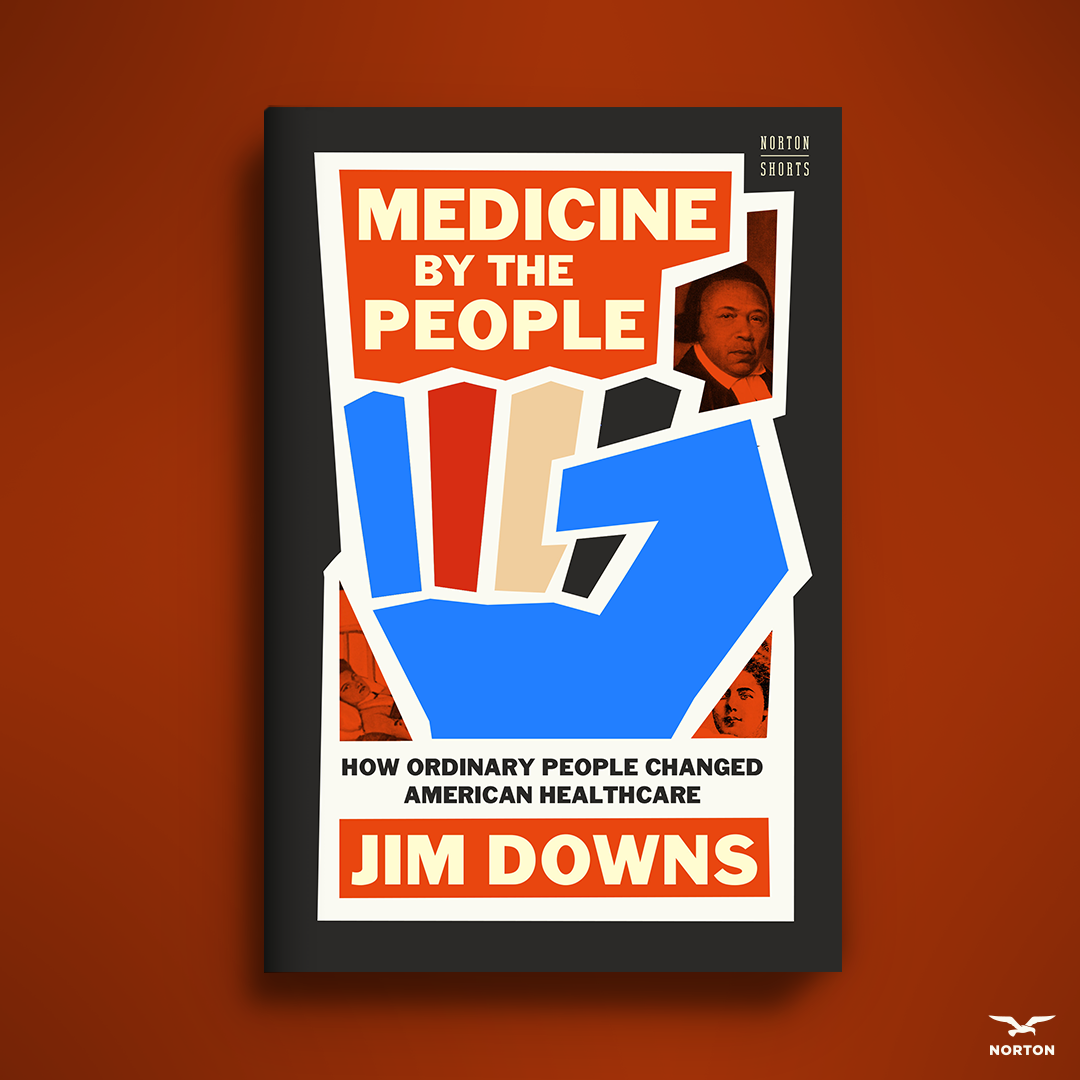
MY NEW BOOK
How Ordinary People Changed American Healthcare
Medicine by the People:
will be published by Norton in October 2026
"In a succinctly tantalizing volume, historian Downs considers several key examples of how contributions to solving public health problems were made by grassroots organizations and individuals outside the sphere of what was at any point in time considered medical authority… [H]e also covers advances in traditional medicine… integrating them smoothly into the stories of his outsiders and their influence. Thorough, detailed endnotes provide guidance for readers interested in more deeply pursuing individual topics. Casts welcome light on the contributions of healers without traditional credentials."
― Kirkus
"[An] insightful analysis of how modern healthcare has been shaped by people outside of the medical establishment... casts intriguing light on how rigid ideas about authority obfuscate the ways in which knowledge is actually produced."
― Publishers Weekly
"This is an illuminating and inspirational account of the many medical heroes without formal training or credentials who relied on their practical experience and sense of humanity to deliver urgently needed aid throughout the nation's history."
― Tony Miksanek, Booklist

“A breath of fresh air. Part medical narrative and part cultural history, Medicine by the People heralds the foresight and courage of marginalized people who demanded that American medical care be rooted in cultural competency, compassion, and harm reduction. This is a critically important book.”
- Deirdre Cooper Owens, author of Medical Bondage
“A vital and beautifully narrated history of American medicine that arrives at precisely the right moment. With elegance, moral clarity, and extraordinary archival depth, Jim Downs recovers the forgotten worlds of enslaved healers, midwives, caregivers, activists, and ordinary citizens whose labor, knowledge, and courage shaped the very foundations of American healthcare.”
- Jonathan M. Metzl, author of Dying of Whiteness
“Take this short walk through four centuries of American history, with Jim Downs as your guide, and you just might catch along the way a glimpse of a future for medicine and public health that would merit your trust.”
- Jeremy A. Greene, author of The Doctor Who Wasn’t There
“Deeply-researched, with detail that brings the people of the past alive. Jim Downs is at his finest as a powerful public intellectual, and Medicine by the People is a historical guidebook for navigating the future of American healthcare.”
- Jacob Steere-Williams, author of The Filth Disease
PRE-ORDER YOUR COPY
Visit W.W, Norton & Company Independent Publishing, Amazon, Barnes & Noble OR Book Shop





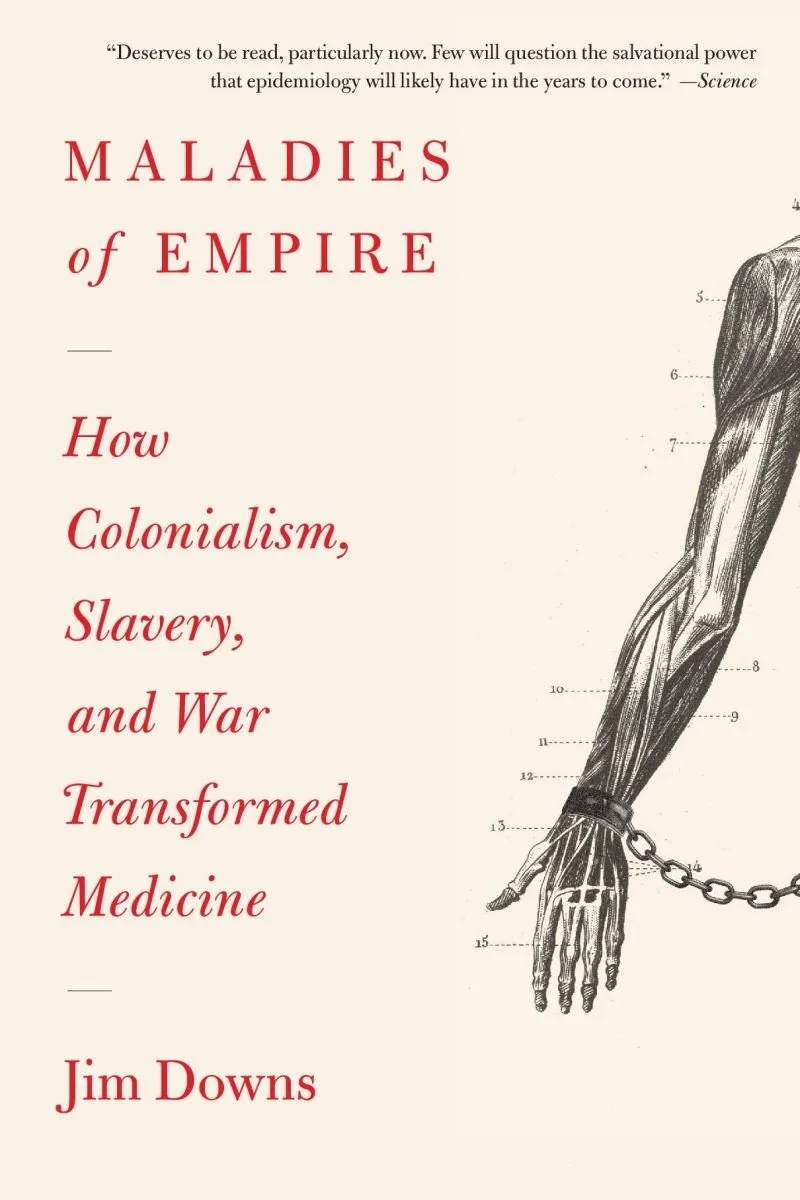
“[A] searching reappraisal of the origins of epidemiology…Those who lead epidemiology and public health today should read Maladies of Empire. They might wish to reflect on the origin of their discipline, the histories they choose to ignore, the myths they prefer to propagate. And they might wish to consider the debt they—we—owe to those who were, and in some cases still are, abused, mistreated, and manipulated in the name of public health.” —Richard Horton, The Lancet
“Downs has now given global context to nineteenth-century advances in medicine and public health, beyond the dominant histories rooted in Western Europe and the ancient world. In Maladies of Empire, he centers slave ships, people living in colonized countries, prisoners, and wars in the narrative of medical discovery, at the foundation of epidemiology… He covers lost and untold stories and makes visible things that need to be seen.” —Mary T. Bassett, Nature
“Maladies of Empire provides an illuminating, painstaking, yet engaging interrogation of original records and sources, filling critical gaps in the development of epidemiology. Indispensable and compelling.” —Harriet A. Washington, author of the National Book Critics Circle Award-winning Medical Apartheid
“In this brilliant and timely book, Jim Downs uncovers the origins of epidemiology in slavery, colonialism, and war. Controlling large populations through violence and burgeoning state bureaucracies allowed for new insights into the genesis and spread of human disease. A most original global history, this book is required reading for historians, medical researchers, and really anyone interested in the origins of modern medicine.” —Sven Beckert, author of the Bancroft Prize—winning Empire of Cotton: A Global History
“Maladies of Empire shifts the site of medical knowledge from European cities to the international slave trade, colonial lands and wars, and the resulting movement of populations. This vivid and brilliant analysis of these critical sites fundamentally changes our views of the origins of epidemiology and the transnational flow of medical knowledge about disease transmission. This excellent work will surely become required reading for historians of medicine, disease, and empire.” —Evelynn M. Hammonds, coeditor of The Nature of Difference
“In this meticulously researched and beautifully written work, Jim Downs transforms our understanding of the relationship between the history of medicine, colonialism, and the institution of slavery. Maladies of Empire illuminates the critical connections between eighteenth- and nineteenth-century comprehension of disease and the evidence gathered from captive Africans, enslaved plantation workers, and soldiers throughout the Atlantic world. Charting the origins of modern epidemiology in the inequities of forced labor, Downs makes foundational contributions to the histories of medicine, colonialism, and slavery. Everyone interested in the connections between race and disease should read Maladies of Empire.” —Jennifer L. Morgan, author of Reckoning with Slavery

Chinese translation
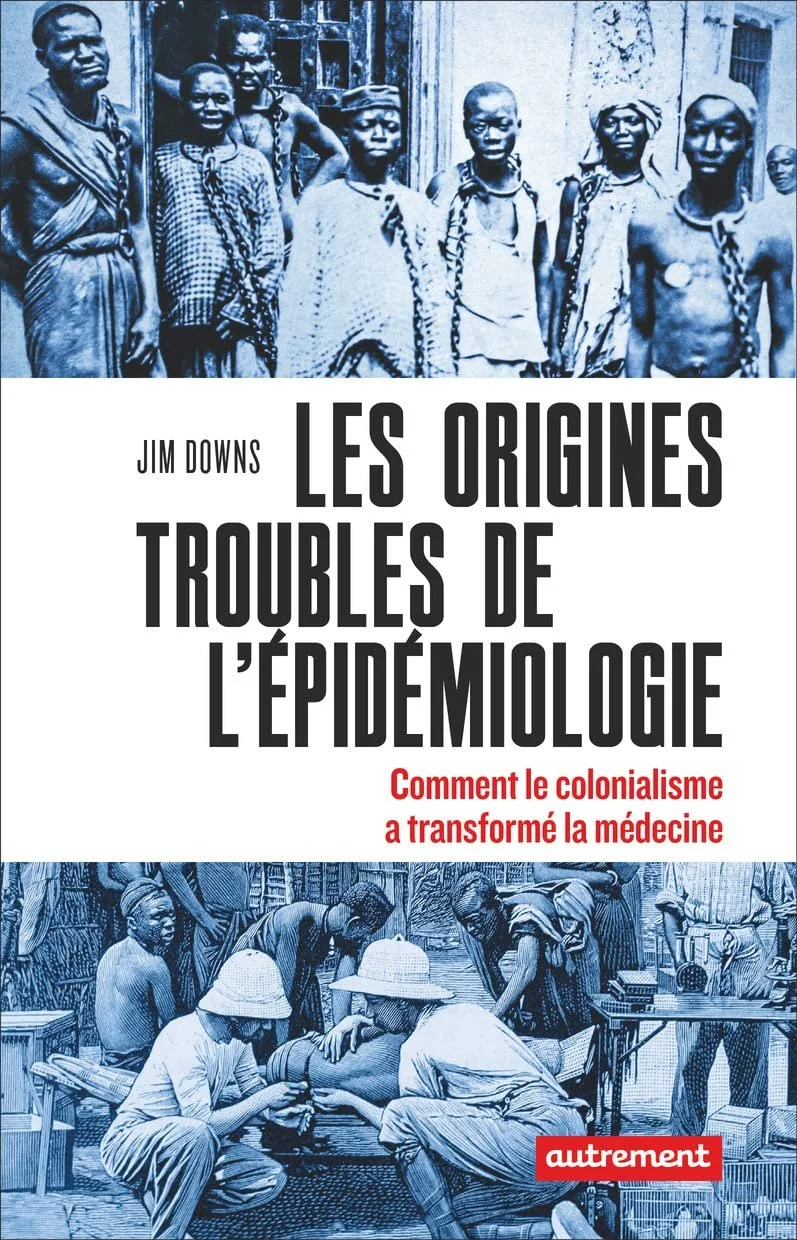
French translation
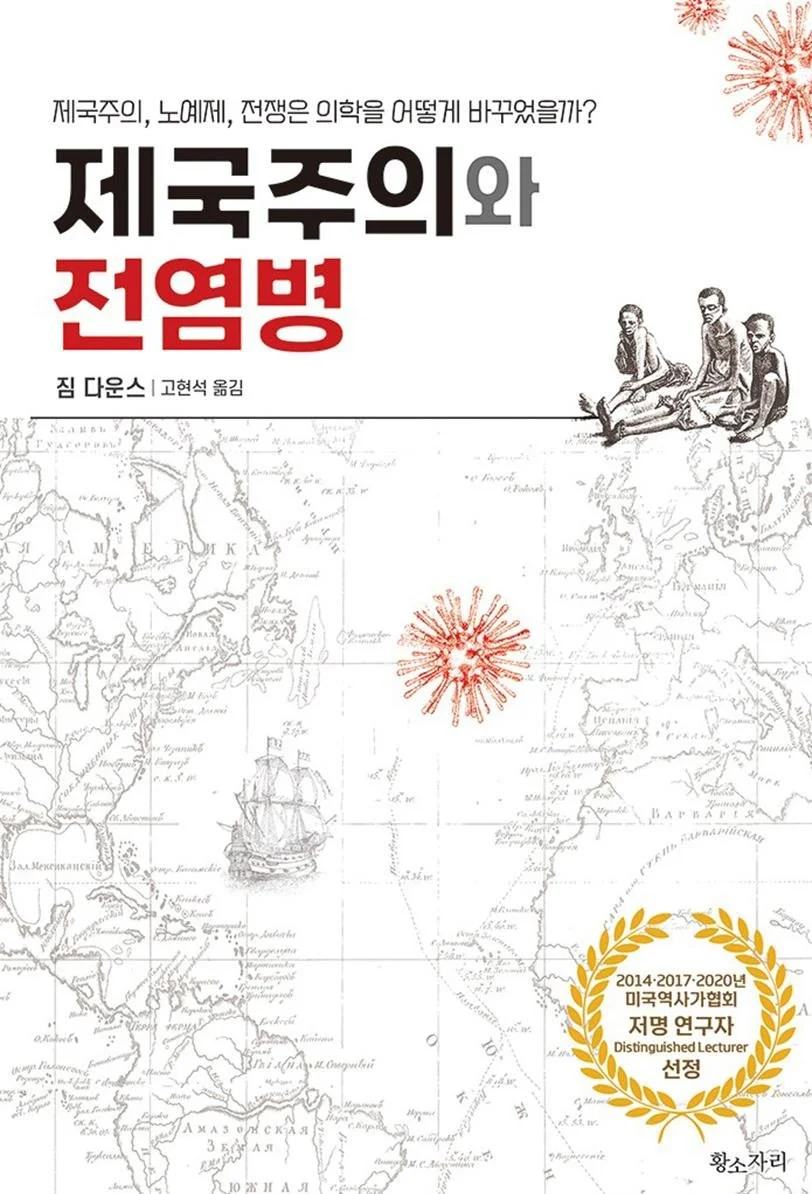
Korean translation

Japanese translation

Russian translation
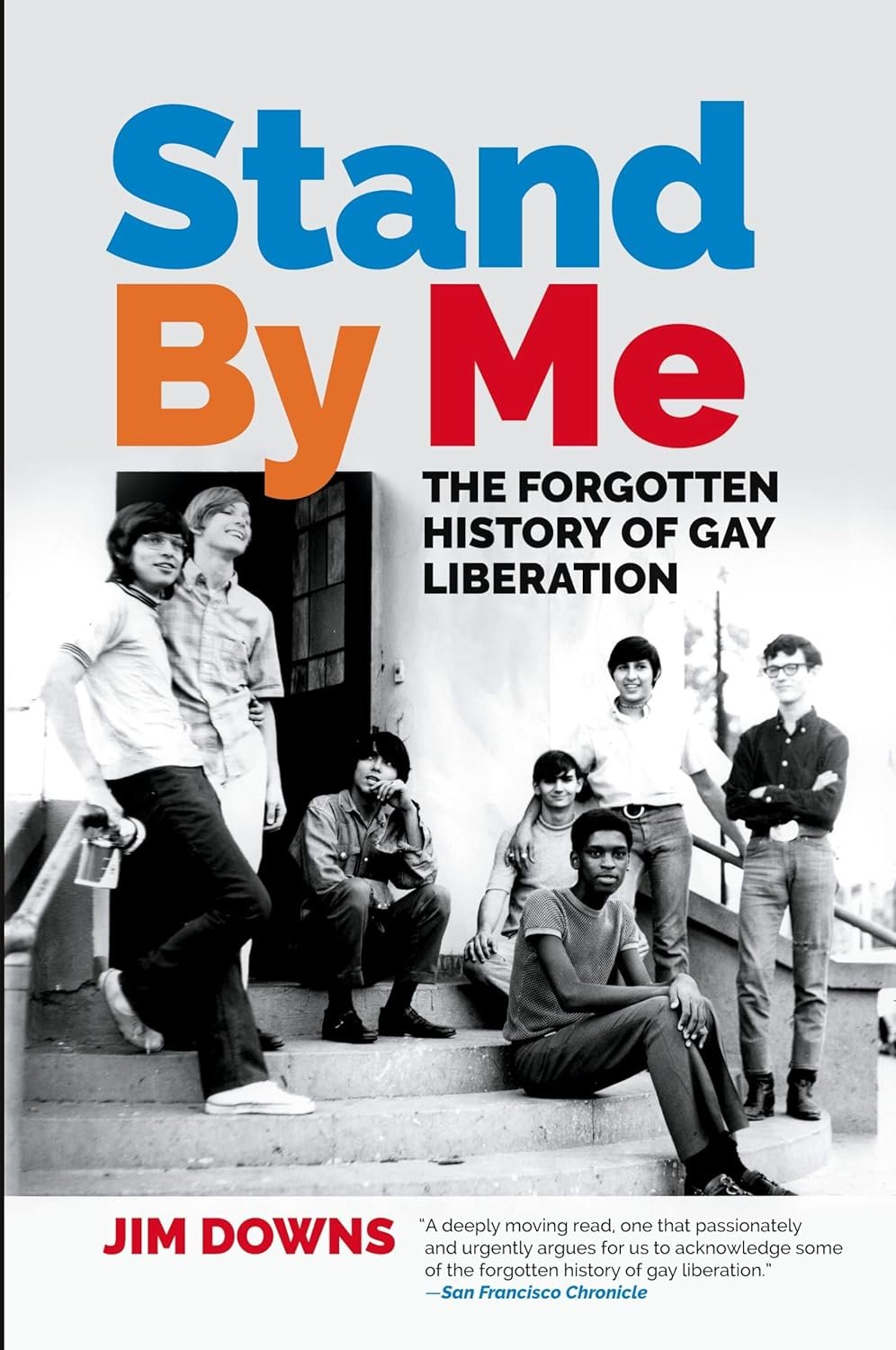
“Downs capably blends authority and warmth in this thoughtful reexamination of an era.” —Kate Tuttle, Boston Globe
“Intelligent and thought-provoking.” —Kirkus Reviews
“the sheer act of Downs’ acknowledging that not all gay men subscribed to the popular ‘three Big B’s’ of the time —’the Bars, Beaches, and Baths’ —and found their identity validated through the communal practices of Christian worship and cultural hubs (like the Oscar Wilde Memorial Bookshop) is a refreshing and invigorating experience. Stand By Me proves a deeply moving read, one that passionately and urgently argues for us to acknowledge some of the forgotten history of gay liberation. —Nathan Smith, San Francisco Chronicle
“Downs draws on LGBTQ materials long underrrepresented in superficial media accounts of gay life. Past chronicles have defined the gay community by focusing on ‘free love’ and HIV/AIDS. Downs upends this, detailing more inclusive and representative subjects, tracing the history of gay rights as part of the ongoing battle for civil rights, and covering the gay religious movement. . . A valuable addition to LGBTQ and social-change collections.” — Whitney Scott, ALA Booklist
“Exhaustive, but never exhausting. . . Stand By Me is not duplicative of other accounts. It is to our movement an equivalent to Howard Zinn’s A People’s History of the United States. . . Downs challenges our movement not to let the horror of AIDS or the rush to assimilate cloud the memory of our roots. Stand By Me calls us to dig more deeply into the past in order to guide our future.” — Jim Mitulski, Lambda Literary Review
“Stand By Me brings the 1970s back to life, not as it it imagined to be, but as it actually was. In compelling prose, Jim Downs has recovered the stories of heroic individuals who risked much to come out, to build community, and to fight for social justice. Some of these episodes are tragic and some inspiring. All of them deserve to be remembered.” —John D’Emilio, author of Intimate Matters
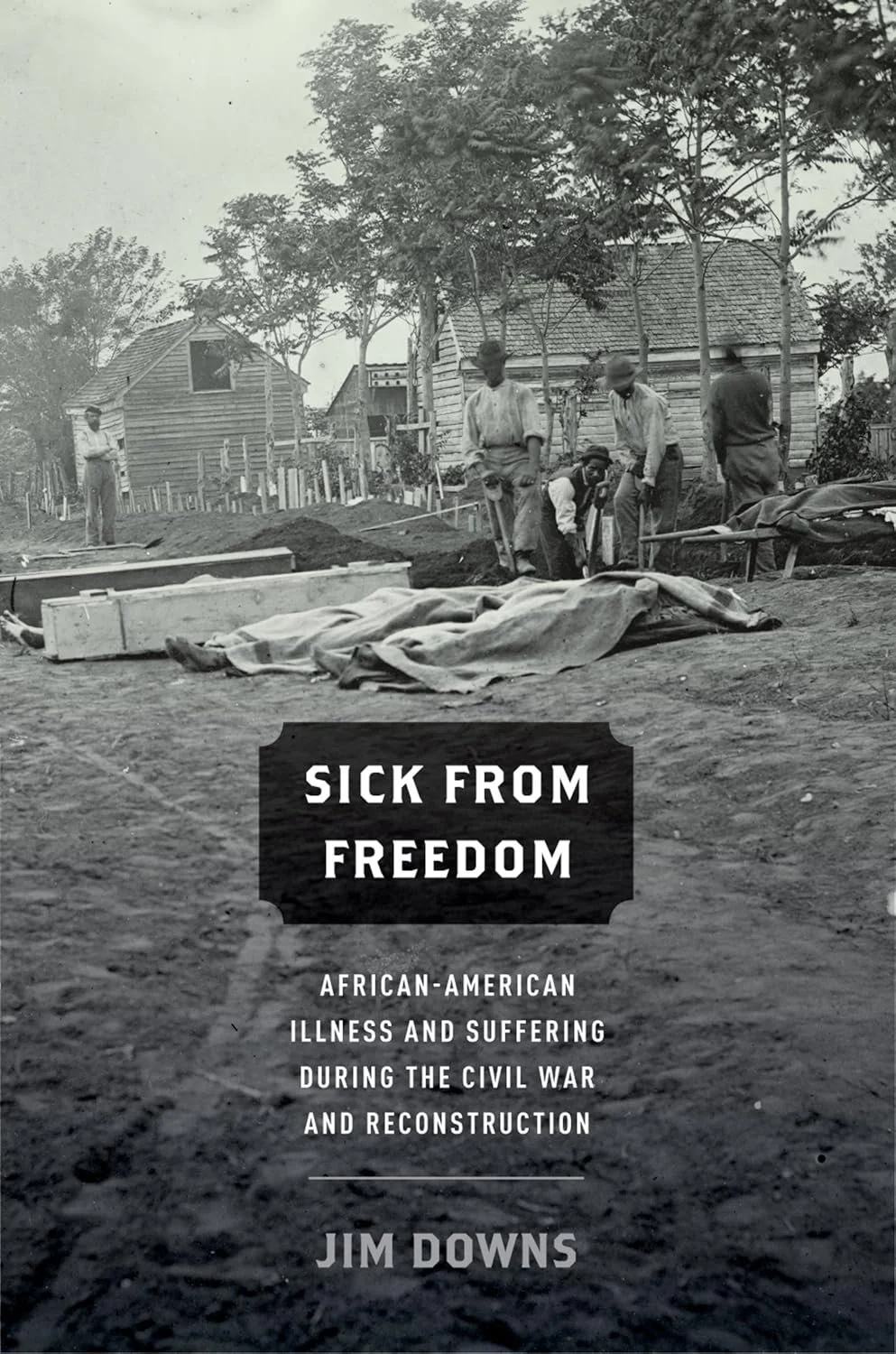
“An important challenge to our understanding of an event that scholars and laypeople alike have preferred to see as an uplifting story of newly liberated people vigorously claiming their long-denied rights.” — The New York Times
“Downs has written a scholarly book about emancipation that should open a whole new discussion about how it was achieved. If there is any doubt about his assertions, he has included 56 pages of footnote.” — The Washington Post
“Jim Downs’ exceptional research has resulted in a major study. . . Highly recommended.” —Civil War News
“As Jim Downs makes clear in this carefully documented work, the Union leadership, domestic and military, was wholly unprepared to deal with the breakdown of the system of slavery that followed the Union army with every foray into southern soil. . . However, one may ‘spin’ the story, one comes away from this book with no doubt that the path out of slavery was a minefield of death and disease that needs its proper acknowledgement in histories of reconstruction.” —Margaret Humphreys, Journal of the History of Medicine and Allied Sciences.
“Downs’ Sick from Freedom is a signal contribution to the vastly understudied question of freed-people’s health and a formidable challenge to the dominant analytical framework that has heretofore framed our understanding both of the transition from slavery to freedom in the American South and the meaning of death and dying in the era of the Civil War. It, quite simply, remaps a field. Against an archival record of statistics - of so many bodies sicj or dying and denied access to local and state hospitals and asylums—Downs gives us the story of a people, of individual men, women, and children ‘dying to be free.” —Thavolia Glymph, Duke University
